Estimates suggest that between 70,000 and 100,000 insect species have been formally recorded in Costa Rica, with the true number likely somewhere between 300,000 and 500,000. Add to that over 2,000 species of spider, and it quickly becomes clear there’s no shortage of subjects for macro photography, and the great thing is that you can find them anywhere and everywhere.
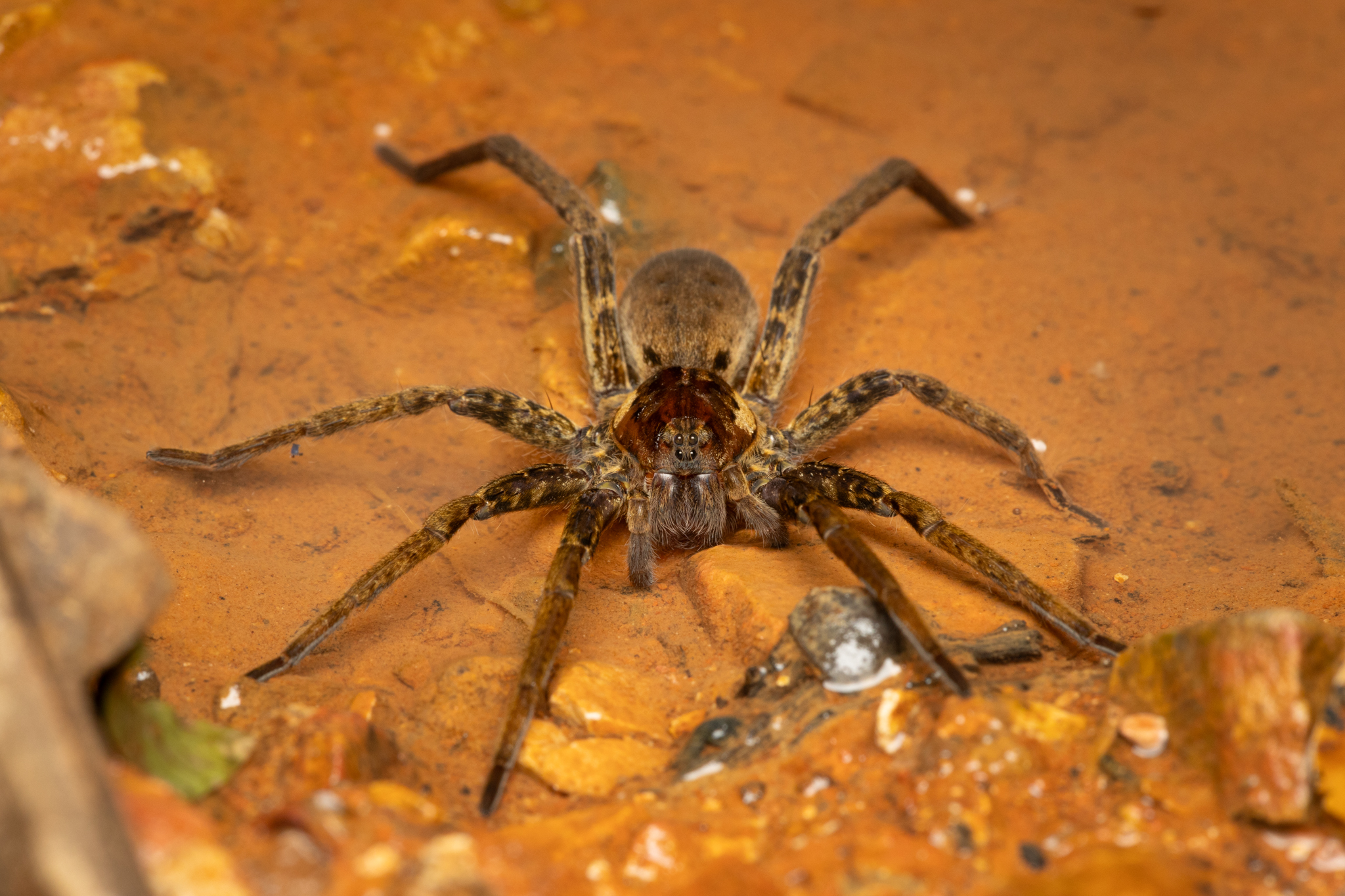
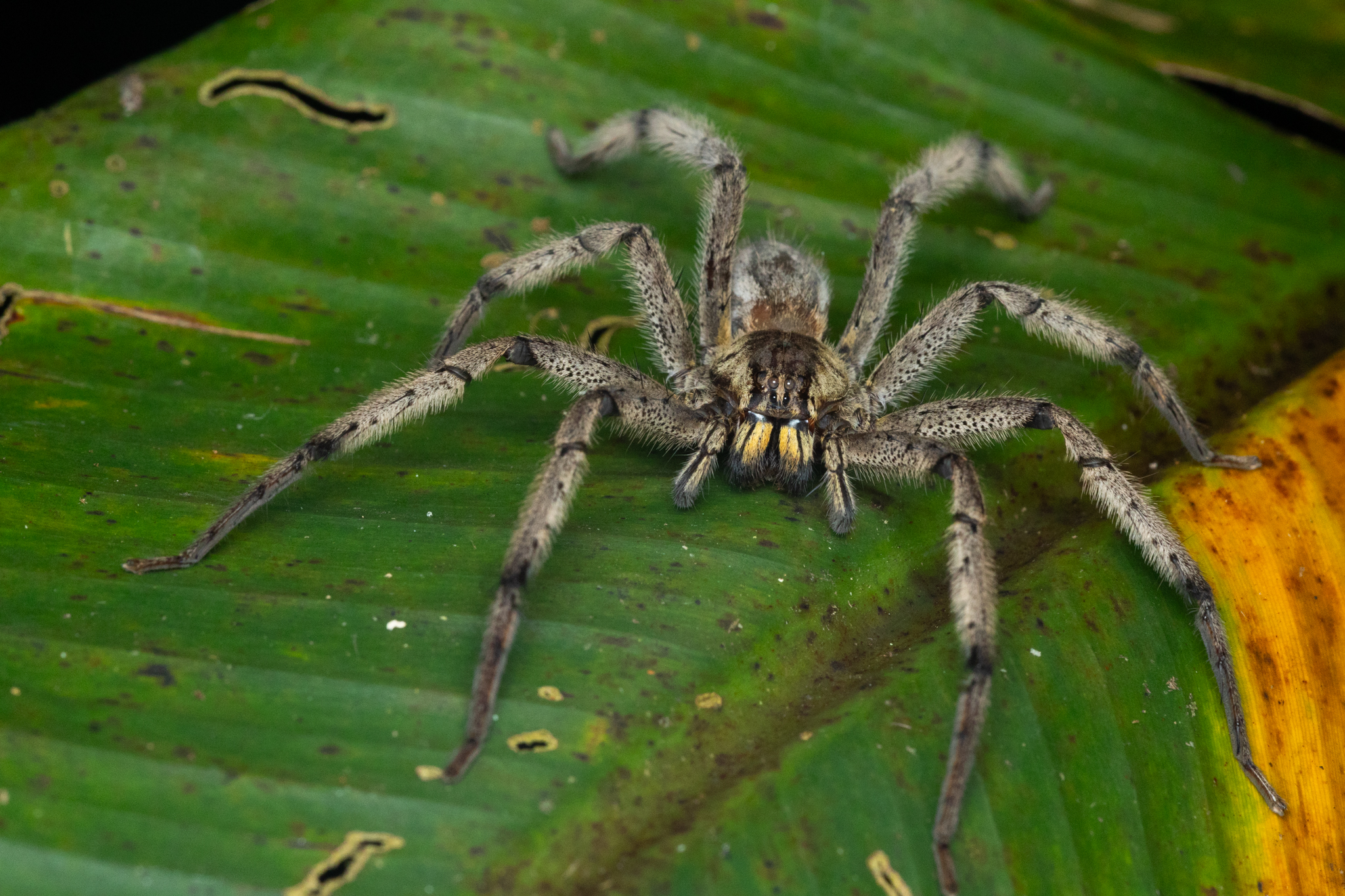
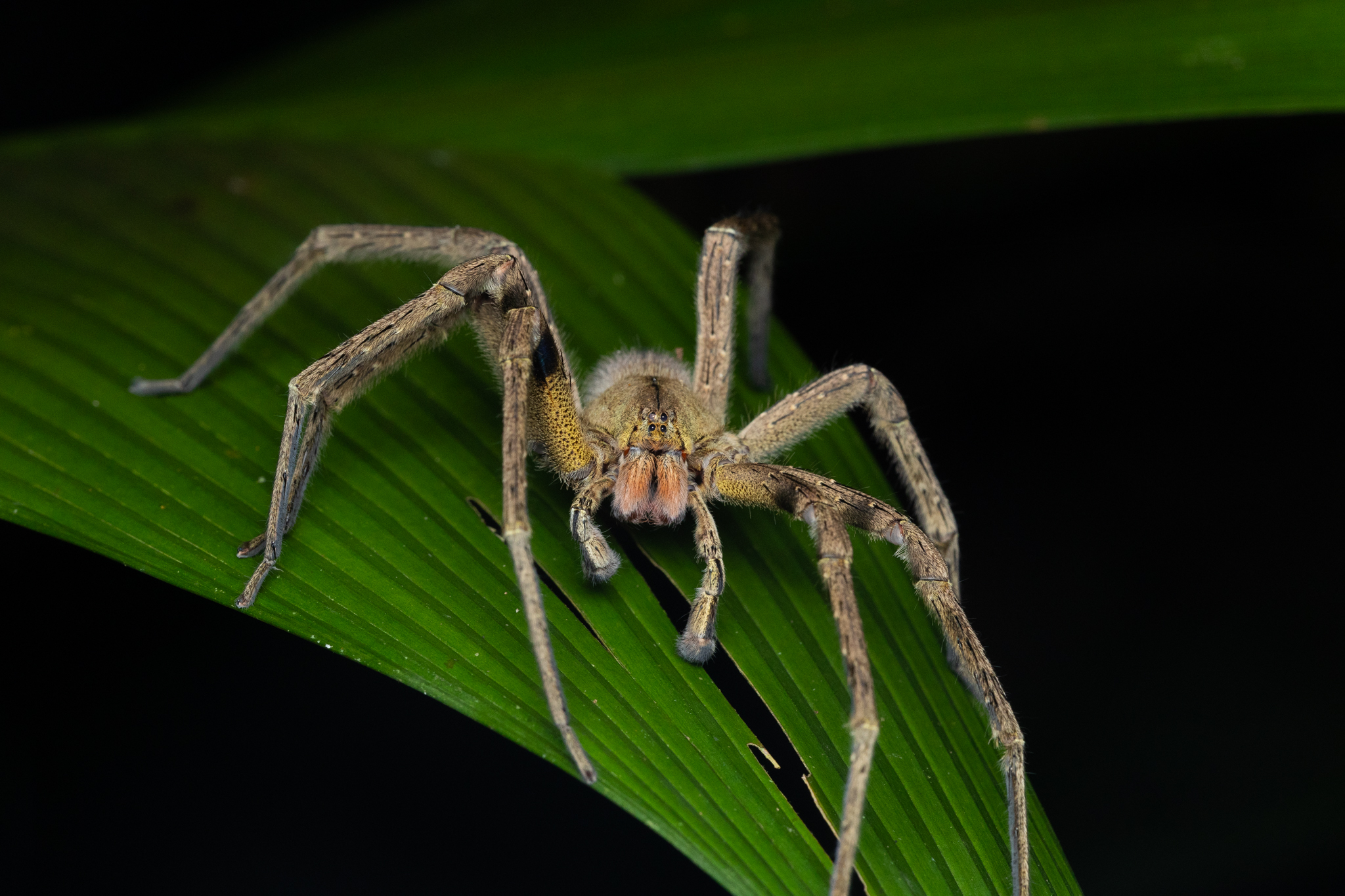
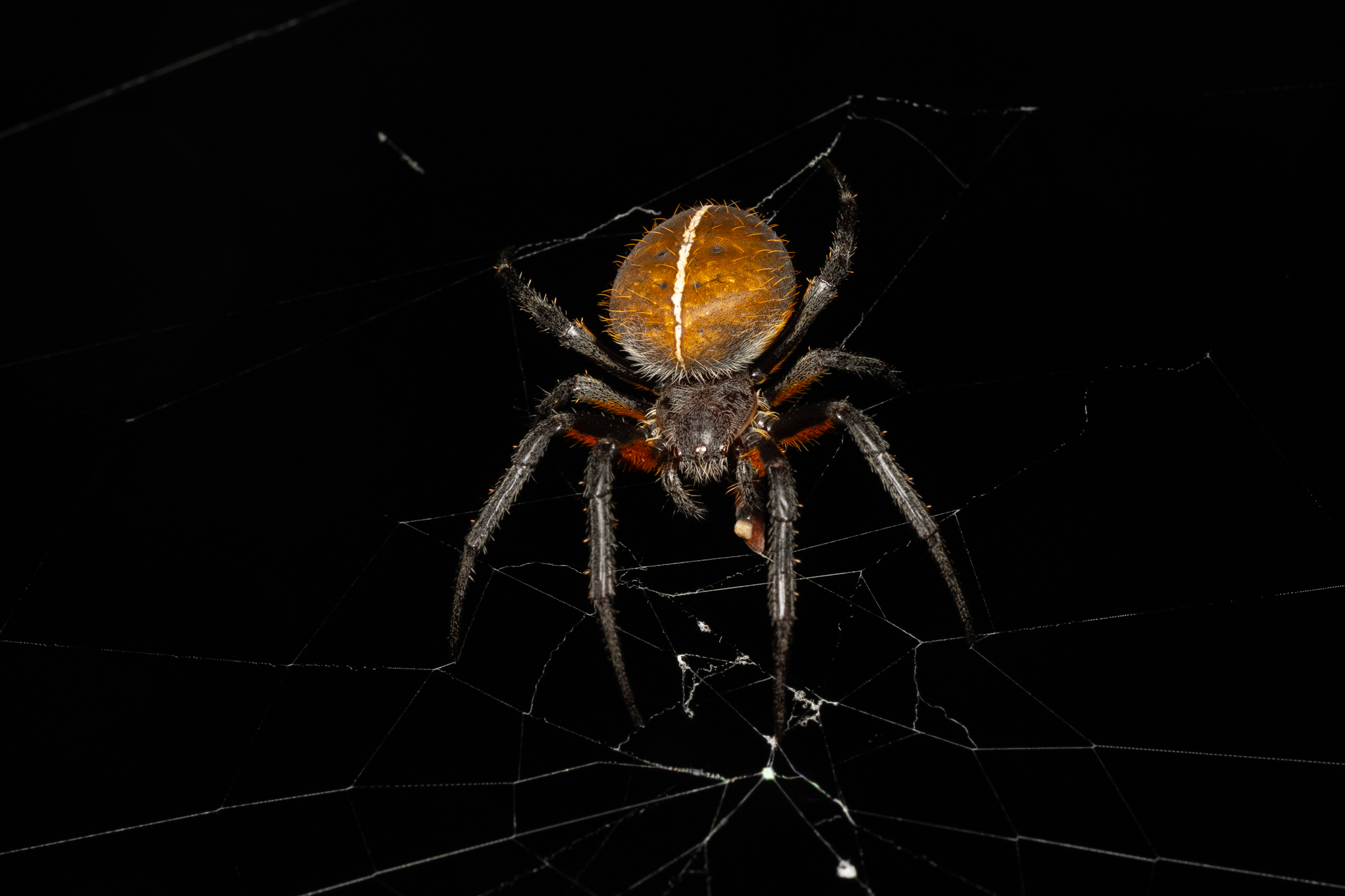
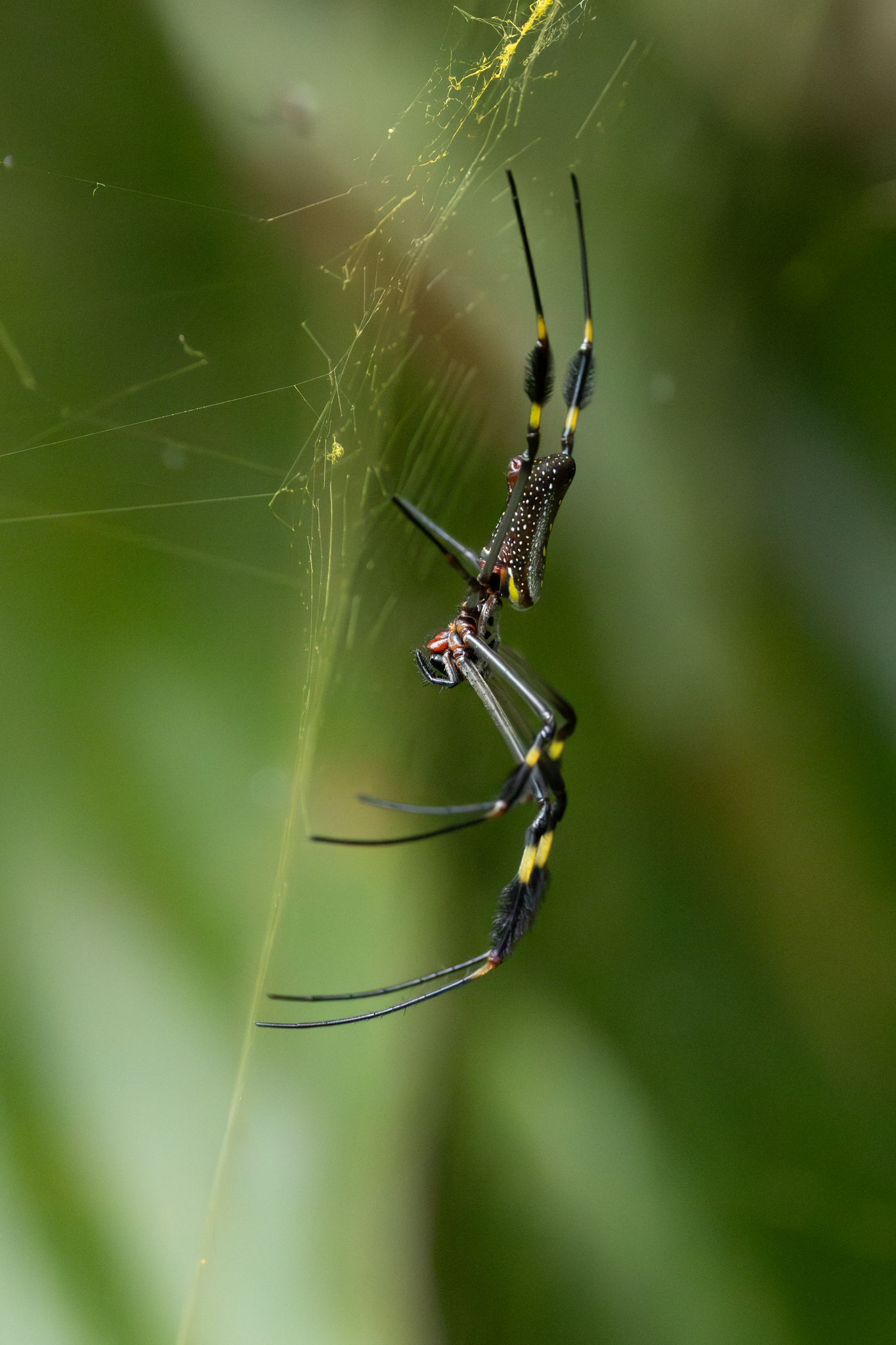
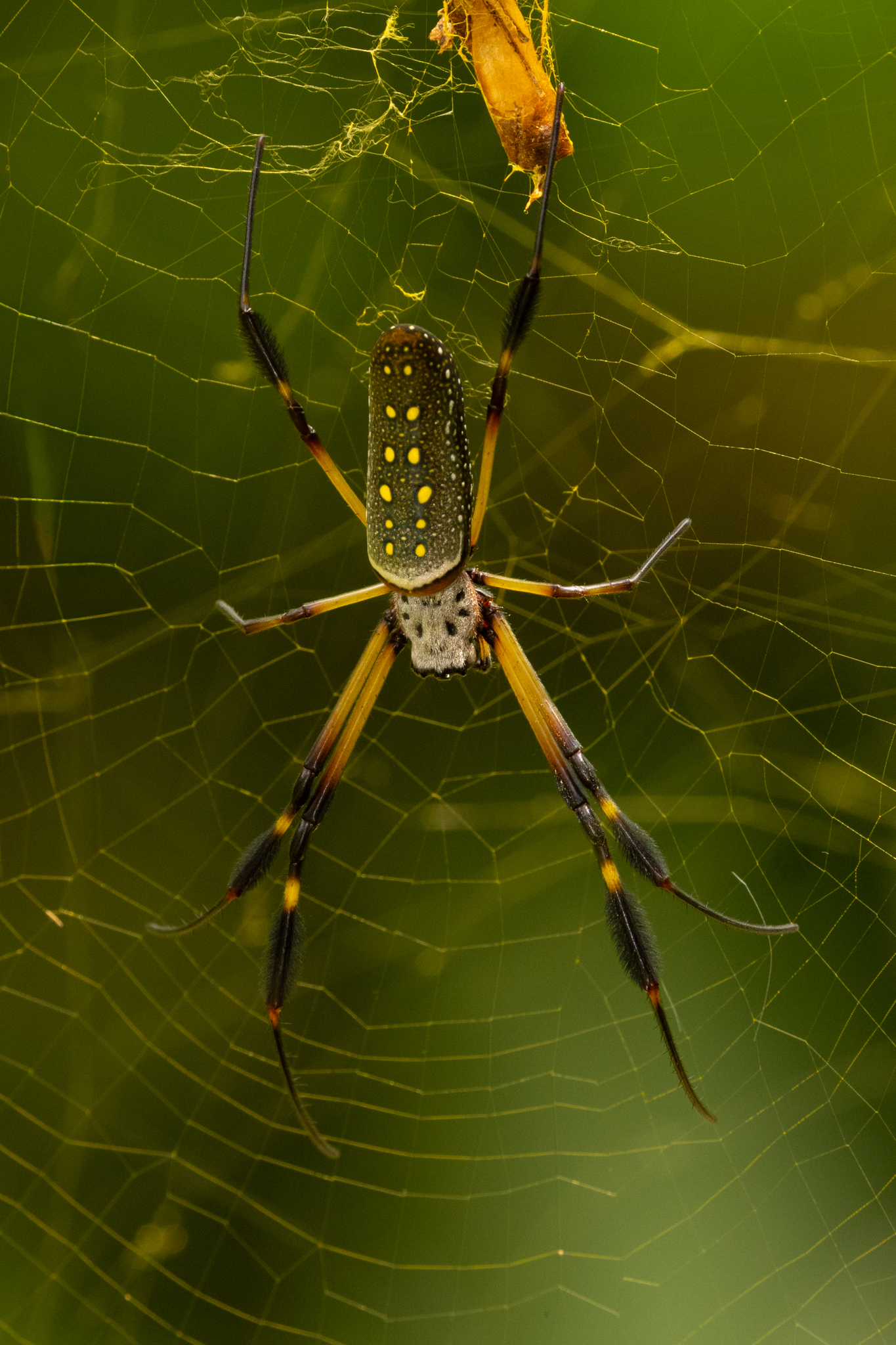
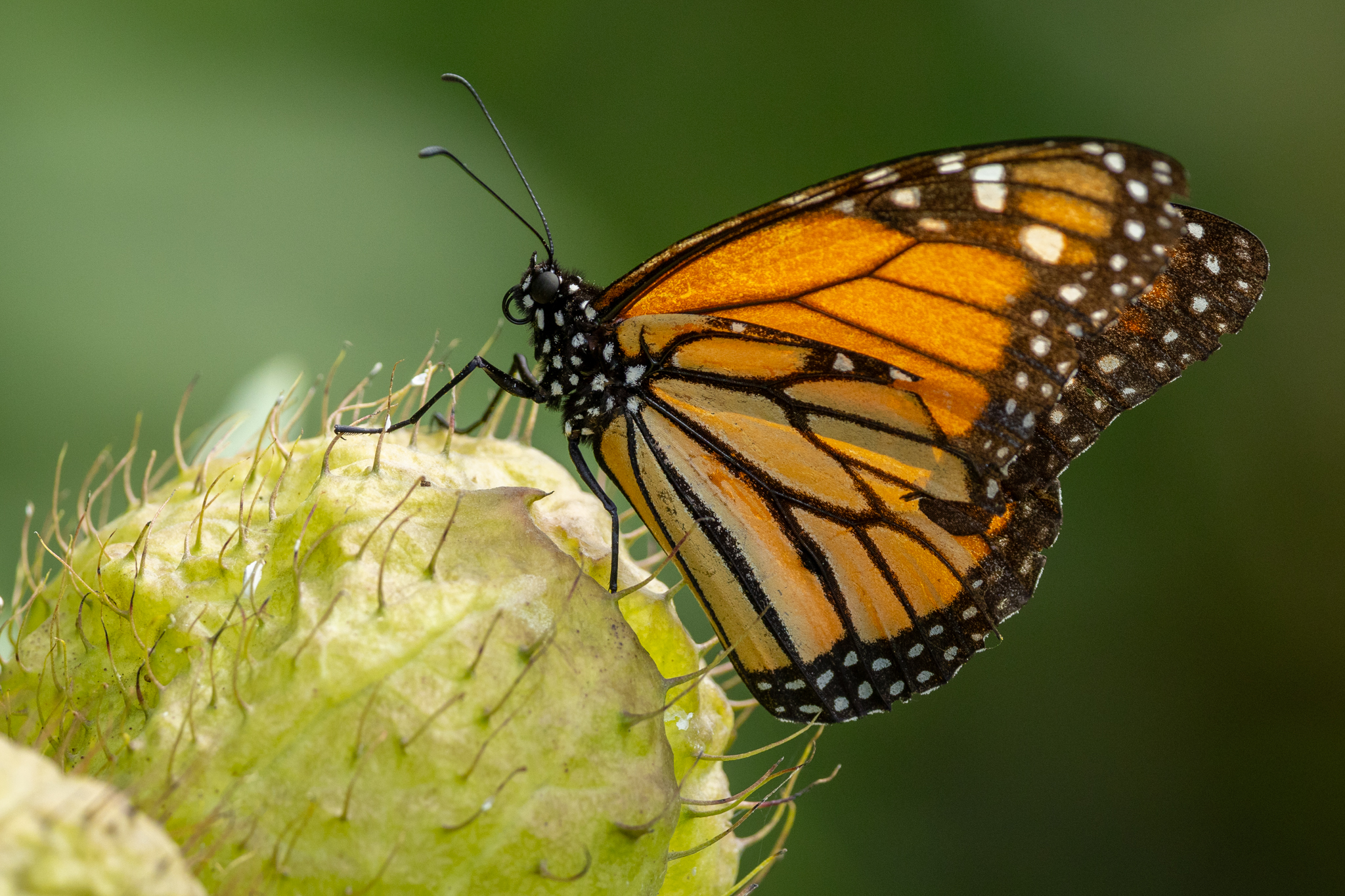
Butterflies come in a bewildering array of colours and sizes, and will be found wherever there are flowers, which is pretty much everywhere. However, they present a real challenge to photograph. For a more compliant subject, there’s the ultra-common golden silk orb-weaver spider sitting motionless its enormous web. It’s quite a beautifully marked spider with yellow spots on a dark olive green body. However, to get a feel for the true size and diversity of the spider population, wait until it gets dark and head out into the garden of your hotel or lodge with a torch and camera flash. You may be surprised, perhaps a little alarmed, by the sheer number and size of the spiders that festoon the bromeliads after dark. Among them, wandering spiders are particularly striking: chunky, long-legged, with large eyes and a covering of fine hairs that make them excellent macro subjects. They’re not easily spooked, but be sure not to antagonise them as they are highly venomous and can be aggressive when defending themselves. If you’re lucky, you’ll get to see tarantulas, but my experience was that they are generally quite skittish and disappear down their burrows at the first sign of a camera.
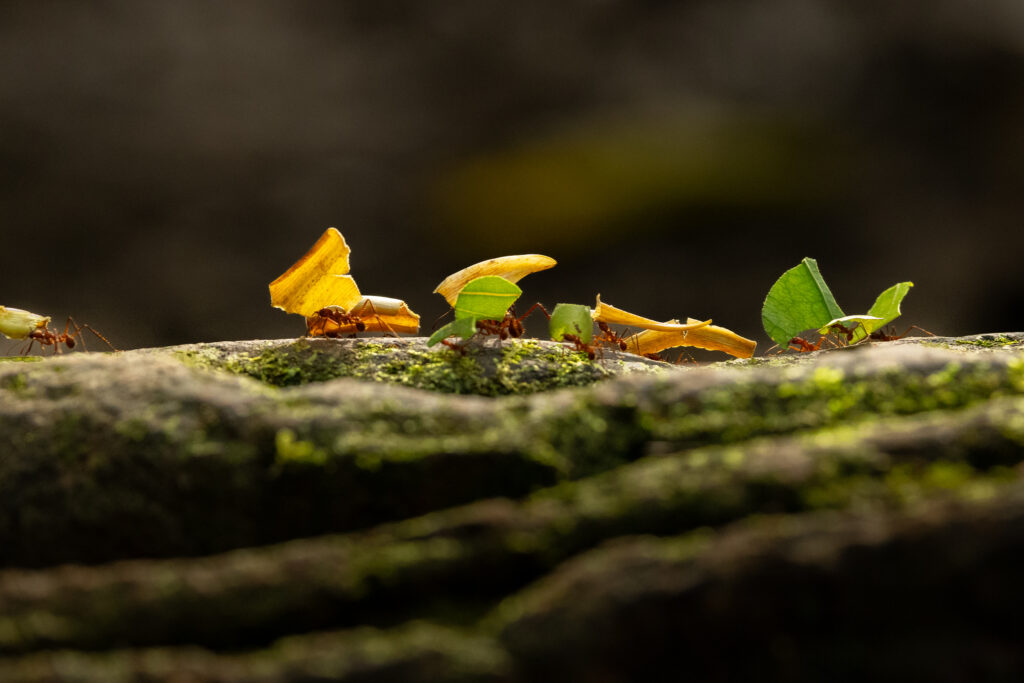
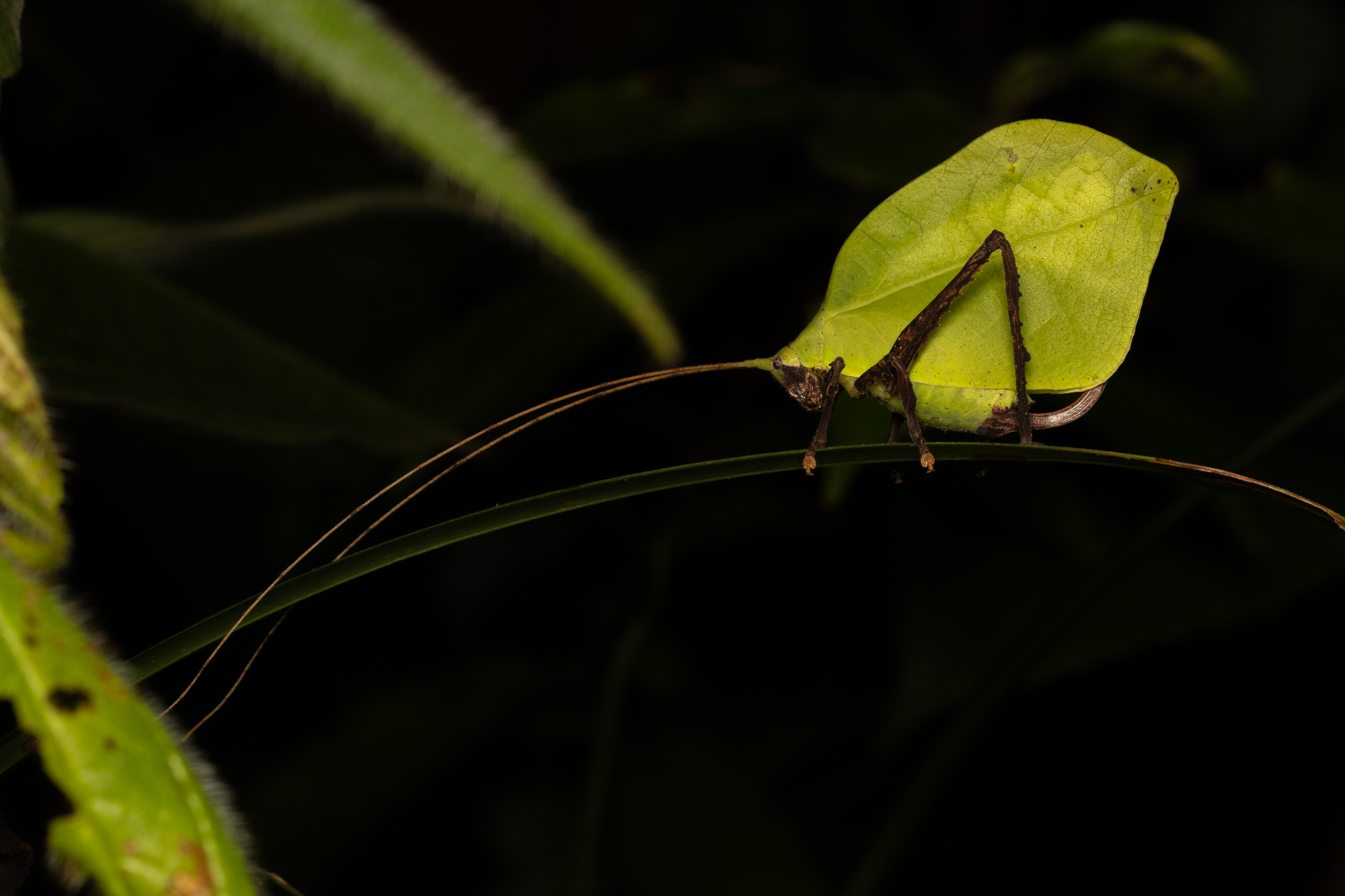
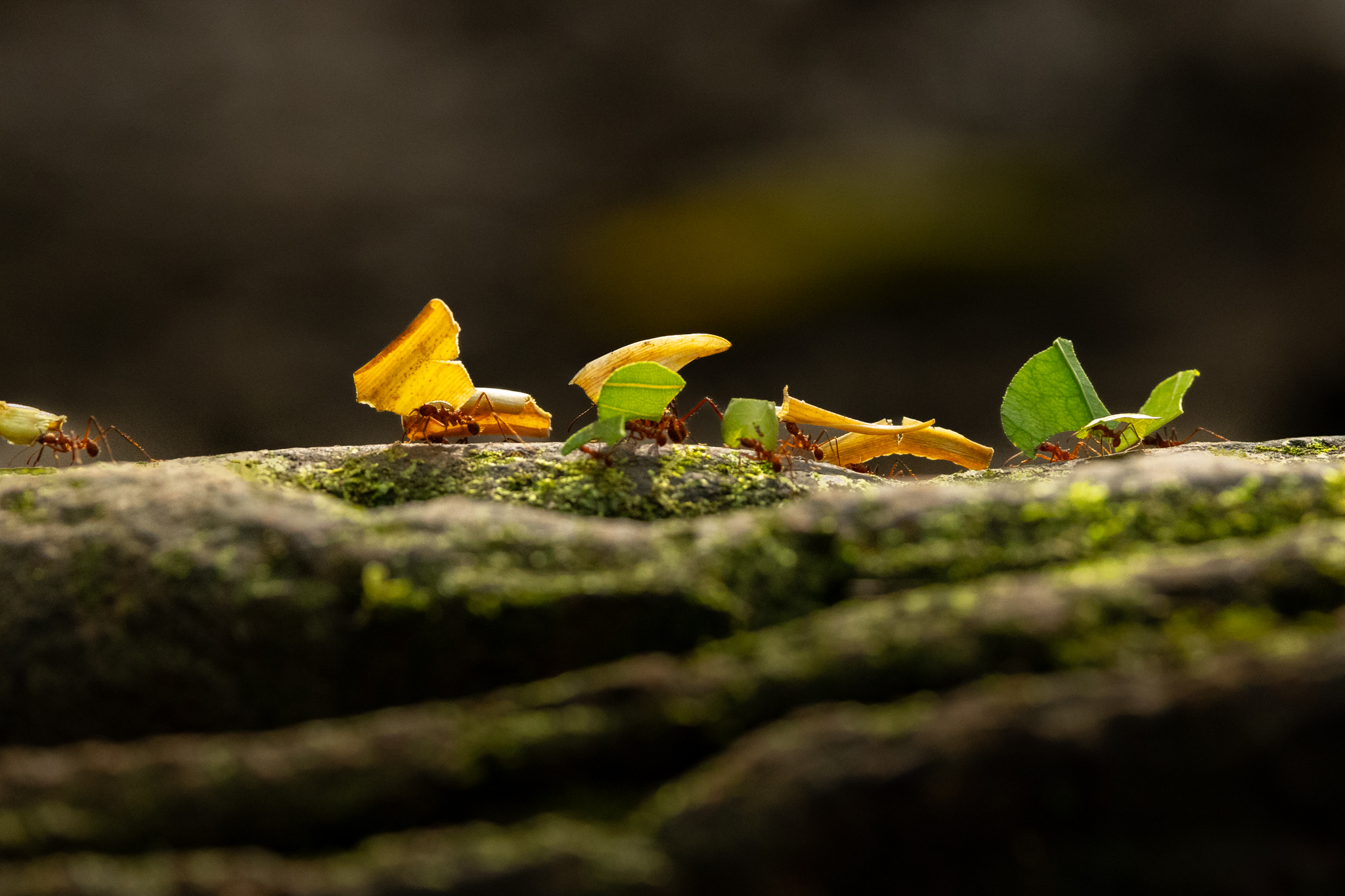
As with any aspect of Costa Rica’s astonishing biodiversity, you’ll see far more with a guide, including many insects that are perfectly camouflaged to look like a leaf or a twig. You’ll also learn a lot. You’ll certainly never look at an ant in the same way again once you learn about the astonishingly complex relationship between fungi, primary rain forest trees, and leaf-cutter ants.
Fishing Spider
leaf-mimic katydid
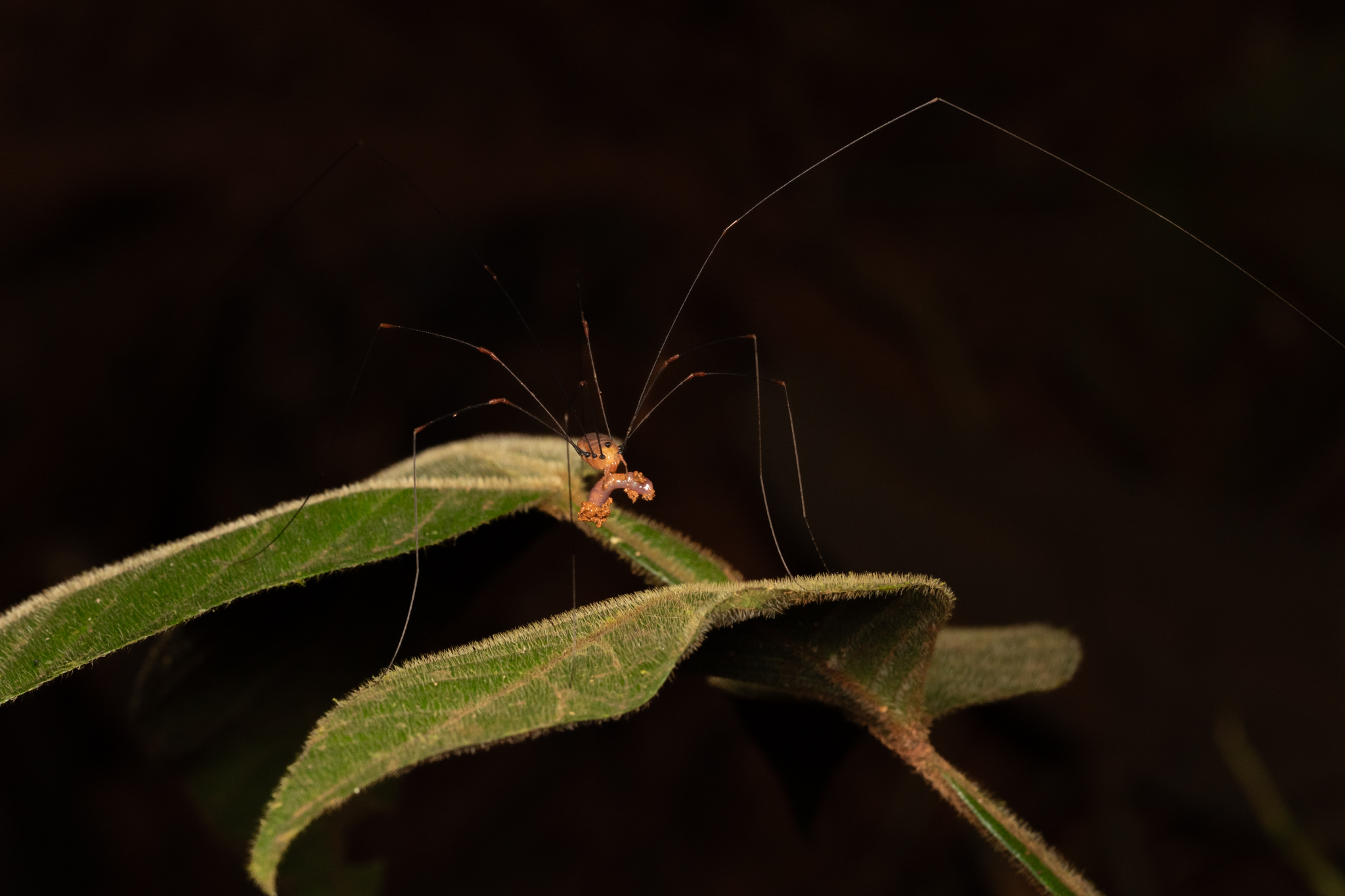
Harvestman Spider
Wandering Spider
Wandering Spider
Tropical Orb Weaver
golden silk orb-weaver
golden silk orb-weaver
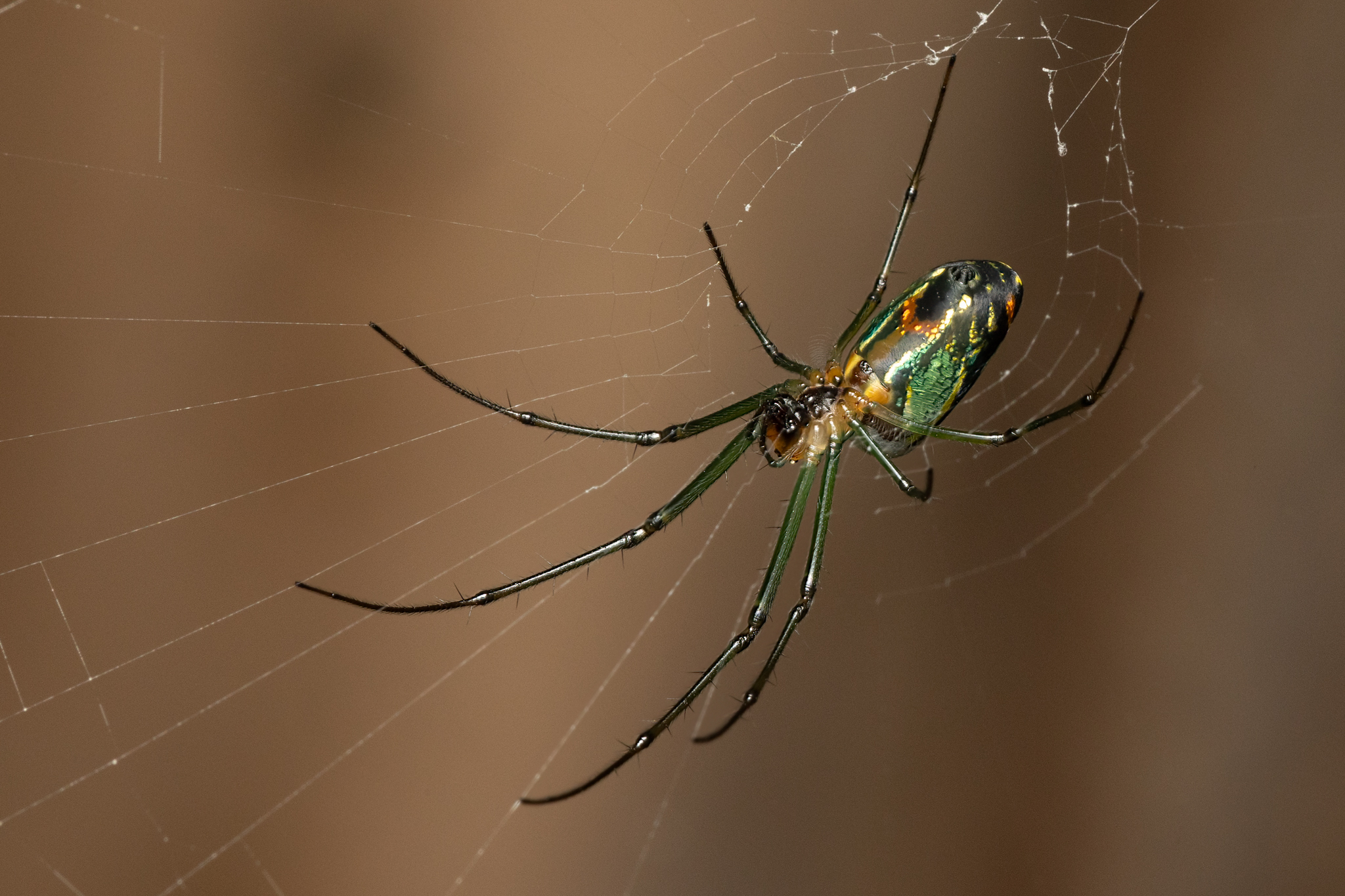
orchard orbweaver
Monarch Butterfly
Leaf-Cutter Ants
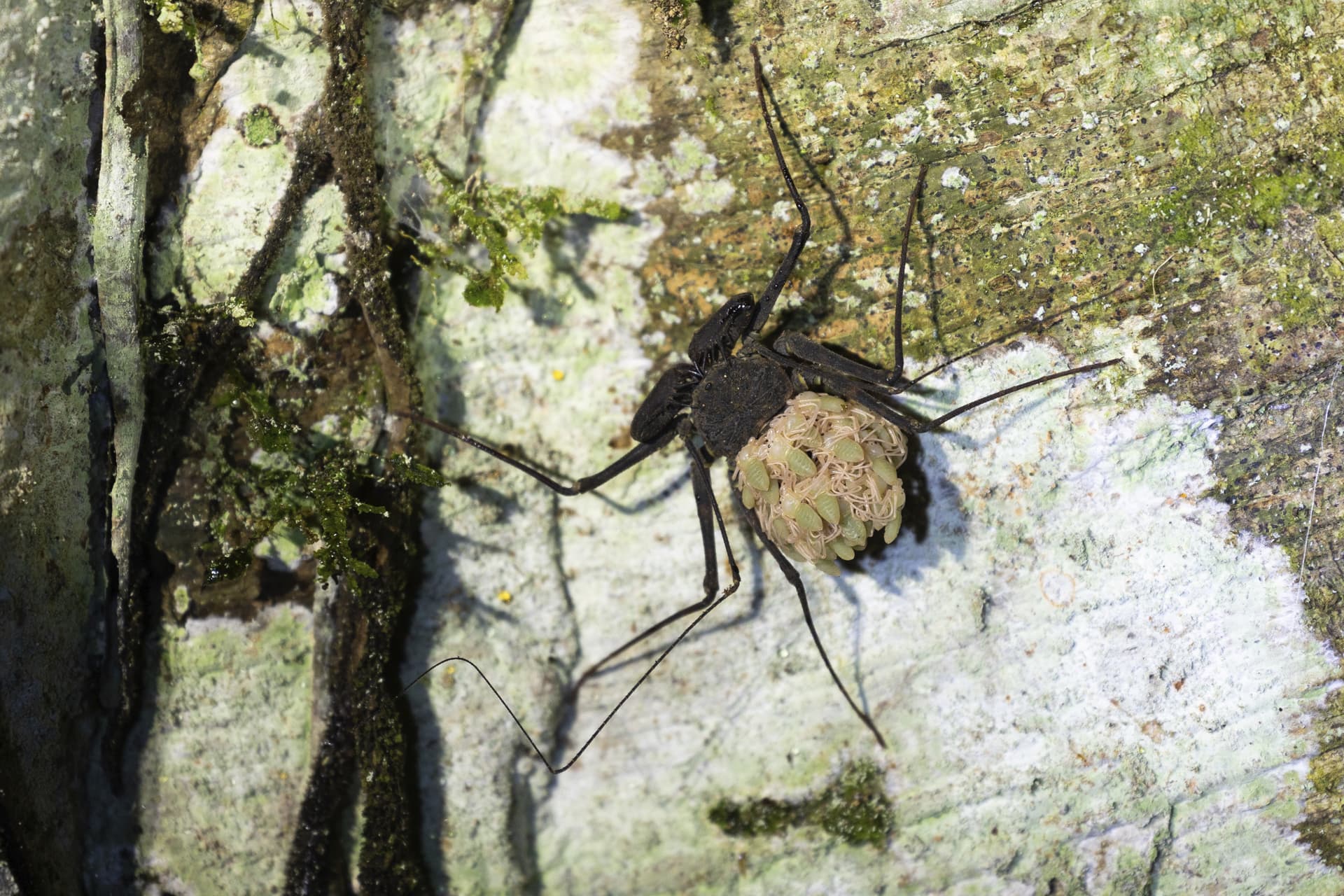
Whip Scorpian carrying brood
error: Content is copyright of Mike Curtis Wildlife Photography!!